
13.52 mm laminated glass
The Versatility of 48% Butterfly Valves in Modern IndustriesButterfly valves are essential components in various industries, serving as a reliable mechanism for regulating fluid flow. Among the many designs available, the 48% butterfly valve stands out due to its unique functionality and efficiency. This valve type has gained a reputation for its innovative design, allowing for precise control while minimizing space requirements and energy consumption.The butterfly valve operates using a rotating disc that is mounted on a central shaft. When the valve is turned, the disc rotates to either open or close the flow of fluid. The 48% designation refers to the valve's design specification, indicating a 48% opening angle, which is crucial for achieving optimal flow rates and reducing pressure drops within the system. This precise angle provides an excellent balance between performance and control, making it ideal for applications requiring adjustable flow rates.One significant advantage of the 48% butterfly valve is its lightweight construction, which allows for easy installation and maintenance. Made from various materials, including stainless steel and plastic, these valves are corrosion-resistant and suitable for handling different types of fluids, including water, oil, and chemical substances. Their compact design also means they require less space compared to other types of valves, making them an ideal choice for facilities with limited room.In addition to their physical attributes, 48% butterfly valves are noted for their energy efficiency. The streamlined design reduces turbulence and minimizes energy loss during fluid passage, resulting in lower operational costs for industries such as water treatment, oil and gas, and food processing. The rapid closure capability of the valve further contributes to its efficiency, preventing backflow and ensuring systems operate smoothly.Moreover, the versatility of the 48% butterfly valve makes it suitable for various applications, from handling high-viscosity liquids to controlling gas flows in HVAC systems. The valve's reliability and ease of maintenance mean that industries can reduce downtime and extend the life of their equipment.In conclusion, the 48% butterfly valve is a vital component in modern industry, combining efficiency, durability, and versatility. As industries continue to seek solutions that promote sustainability and cost-effectiveness, the role of this innovative valve becomes increasingly significant, making it a preferred choice for fluid control applications worldwide. 48 butterfly valve .
about
13.52 mm laminated glass
The Impact of Pad Vibration on Performance In the realm of technology and engineering, pad vibration is a critical topic that has garnered increasing attention. The phenomenon of vibration occurs when an object oscillates about a central point, and in the context of pads—whether they be found in machinery, sports equipment, or consumer technology—understanding vibration dynamics can significantly enhance performance and user experience. Understanding Pad Vibration Pad vibration can be described as the oscillatory motion that occurs when pads are subjected to external forces. This could be in the form of mechanical stress in machines, or the impact forces experienced during sports. For instance, in the automotive industry, brake pads are designed to create friction when activated, leading to vibrations that can affect driving performance and comfort. In technologies like gaming controllers or musical instruments, vibrations can either enhance or detract from user interaction, depending on their design and intended function. The Science Behind Vibration At its core, pad vibration is a mechanical phenomenon defined by frequency, amplitude, and damping. The frequency relates to how fast the vibrations occur, amplitude to the strength of these oscillations, and damping to how the vibrations dissipate over time. Engineers often employ various materials and designs to manipulate these factors for optimal performance. For example, softer materials can absorb more vibration energy, reducing discomfort and enhancing stability during operation. Applications in Sports Equipment One of the most profound applications of understanding pad vibration is in sports equipment design. Sports pads, such as those used in football, hockey, or cycling, are designed not just for protection, but also to manage and optimize vibrations . For instance, in cycling, seat pads are engineered to minimize vibrations from uneven surfaces. This not only enhances rider comfort but also improves performance by allowing for better energy transfer between the cyclist and the bike. pad vibration Moreover, in footwear, pads designed with specific vibrational characteristics can significantly affect athletic performance. Running shoes, for example, utilize vibration-dampening materials in the soles to absorb shocks, reduce fatigue, and improve overall efficiency. Athletes using these advanced designs report less strain and a lower risk of injury, demonstrating that thoughtful design concerning pad vibration can lead to significant performance enhancements. Innovations in Technology Recent advances in technology have opened new avenues for exploring and utilizing pad vibration. In the realm of consumer electronics, vibration feedback in devices—such as smartphones and gaming consoles—has become a key component of user interface design. By integrating vibration motors and sensors, manufacturers can create a more immersive experience, improving user engagement through tactile feedback. Furthermore, the development of smart materials and adaptive technologies is revolutionizing how we think about vibration management. For instance, some automotive manufacturers are beginning to use active suspension systems that can adjust in real-time to changing conditions, effectively controlling the amount of vibration transmitted through the vehicle's chassis. Challenges and Considerations Despite the numerous benefits associated with optimized pad vibration, there are challenges that developers and engineers must navigate. Uncontrolled vibrations can lead to a range of issues, including component wear, loss of efficiency, and user discomfort. Additionally, the cost implications of implementing advanced vibration management technologies can be significant, a factor that must be balanced with performance benefits. Conclusion In summary, pad vibration is a multifaceted subject that transcends various industries and applications. From sports equipment to consumer technology and automotive design, the impact of vibration on performance is profound. As research continues and technology evolves, we are likely to see even more innovative solutions that harness the benefits of pad vibration while mitigating its challenges. Ultimately, understanding and controlling pad vibration is not just about reducing discomfort—it's about unlocking new levels of performance and user satisfaction across an array of applications.
-

High quality industrial productsagement

High quality industrial products
View Details -

Meet the diverse needs of customers

Meet the diverse needs of customers
View Details -

Strict quality control

Strict quality control
View Details -

Top raw materials

Top raw materials
View Details -

Trusted supplier

Trusted supplier
View Details
Our application


news and information
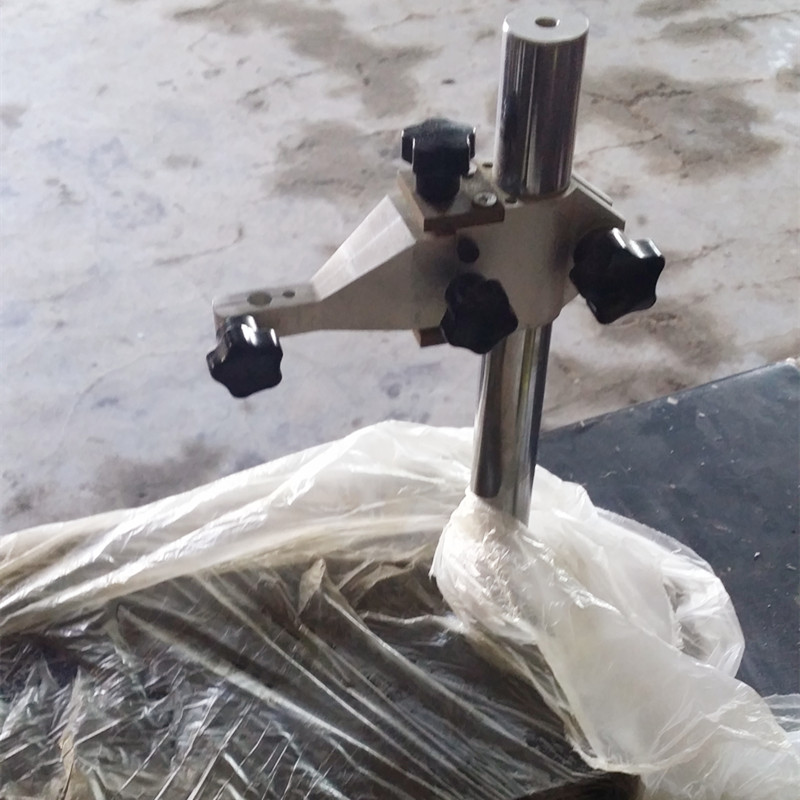
Välineet tarkkuusmittaamiseen syvyysmittari 18-35 mm halkaisijalle
Dial bore gauge on yksi tärkeimmistä työkaluista tarkkuusmittauksessa teollisuudessa, erityisesti ku
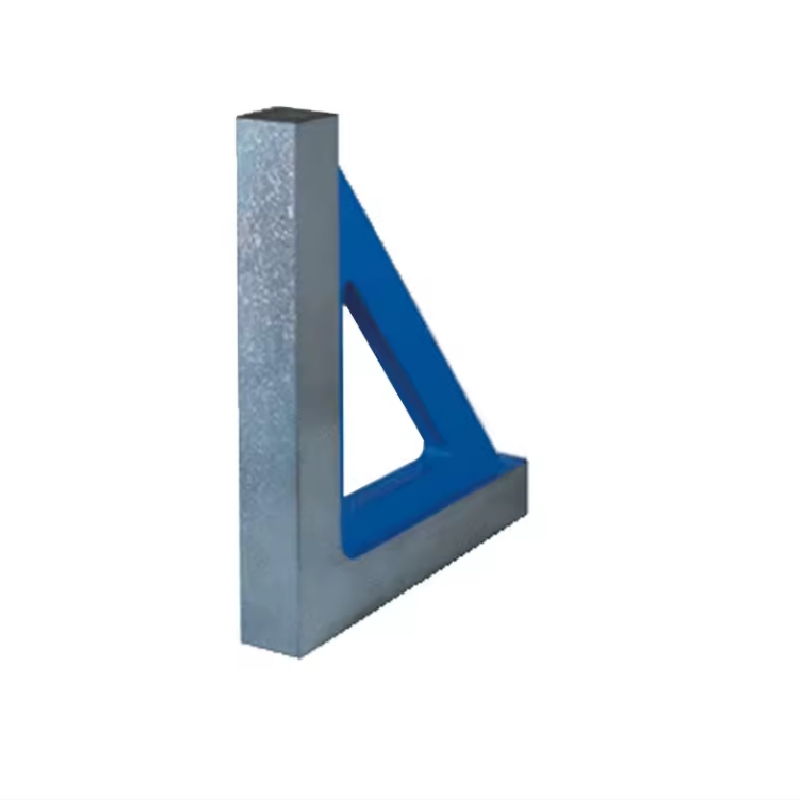
Using a Level to Create Accurate Markings on a Ruler
marking ruler with spirit level .
Water Valve Shutoff Mechanism for Efficient Water Control and Management
Understanding Water Valve Shut Off Importance and Applications A water valve shut off is a critical
 English